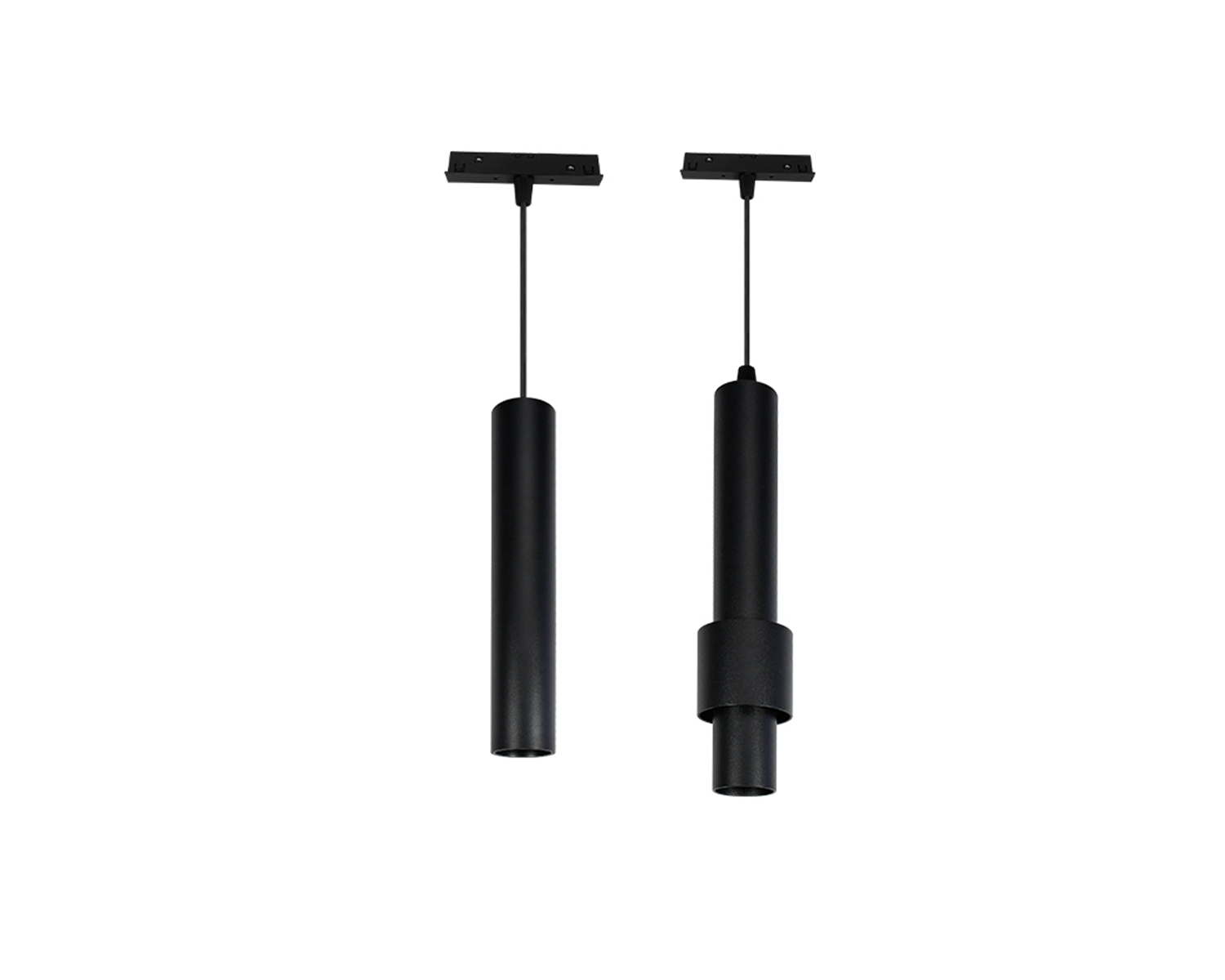
Living rooms and bedrooms
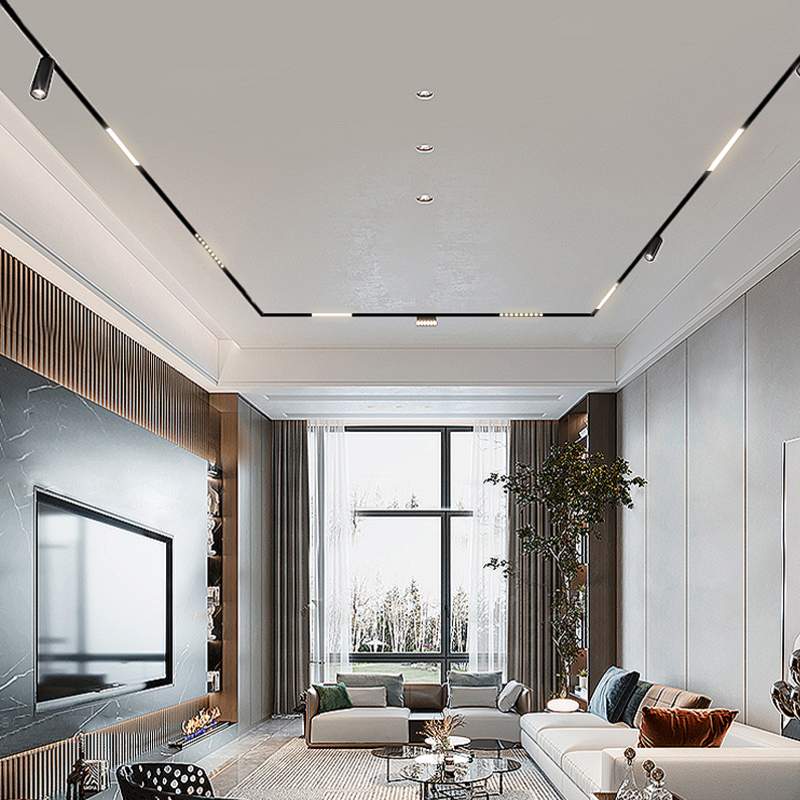
Compact heads, accent on art and furniture, often a no-main-light layout. M25 keeps it mains-direct; 48V ultra-thin suits low ceilings.
Bring to the enquiry: Furniture plan, ceiling height, whether you want app control.
Applications
Magnetic track pays off wherever the lighting has to change after the room is built: furniture moves, displays rotate, a gallery rehangs. Below, rooms are grouped by the series that usually suits them, with what to think about in each. These are typical fits, not rules.
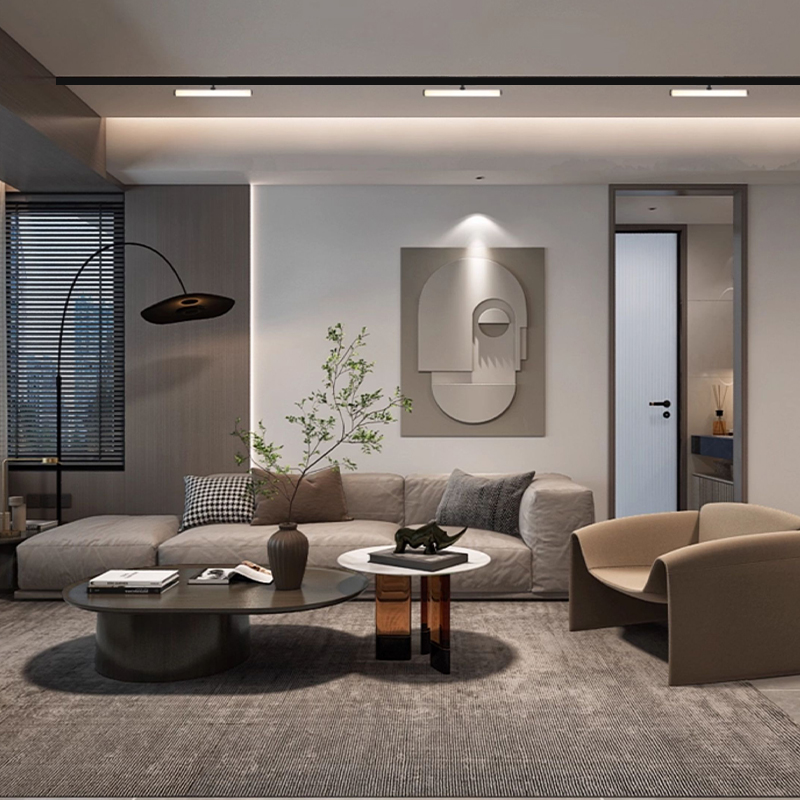
Compact heads, accent on art and furniture, often a no-main-light layout. M25 keeps it mains-direct; 48V ultra-thin suits low ceilings.
Bring to the enquiry: Furniture plan, ceiling height, whether you want app control.
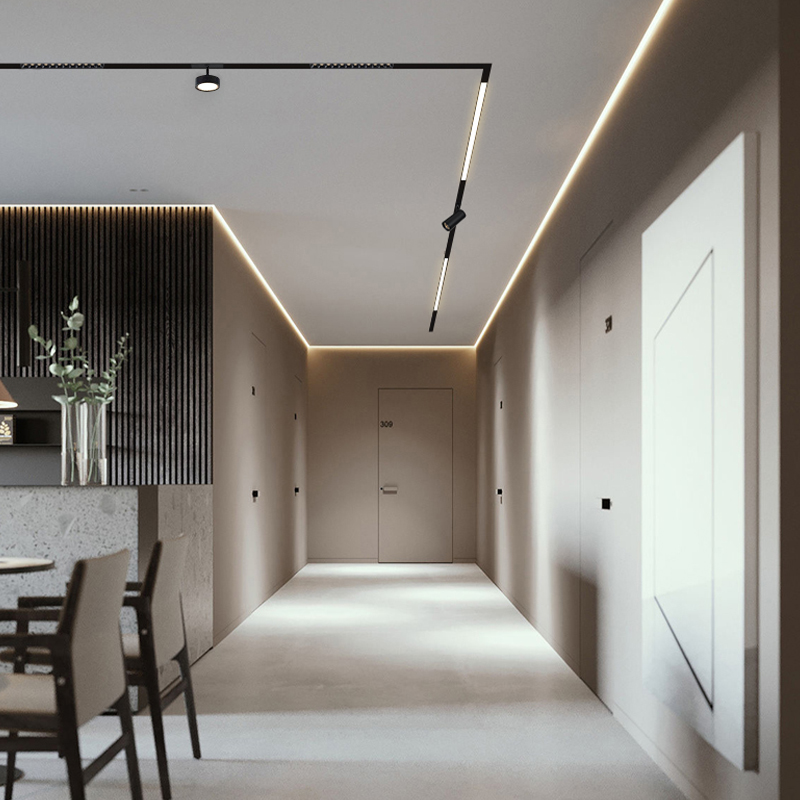
Long, straight runs with a mix of spots and linear light. The belt system turns the run into a continuous line.
Bring to the enquiry: Run length, corners, whether doors or artwork need accent.
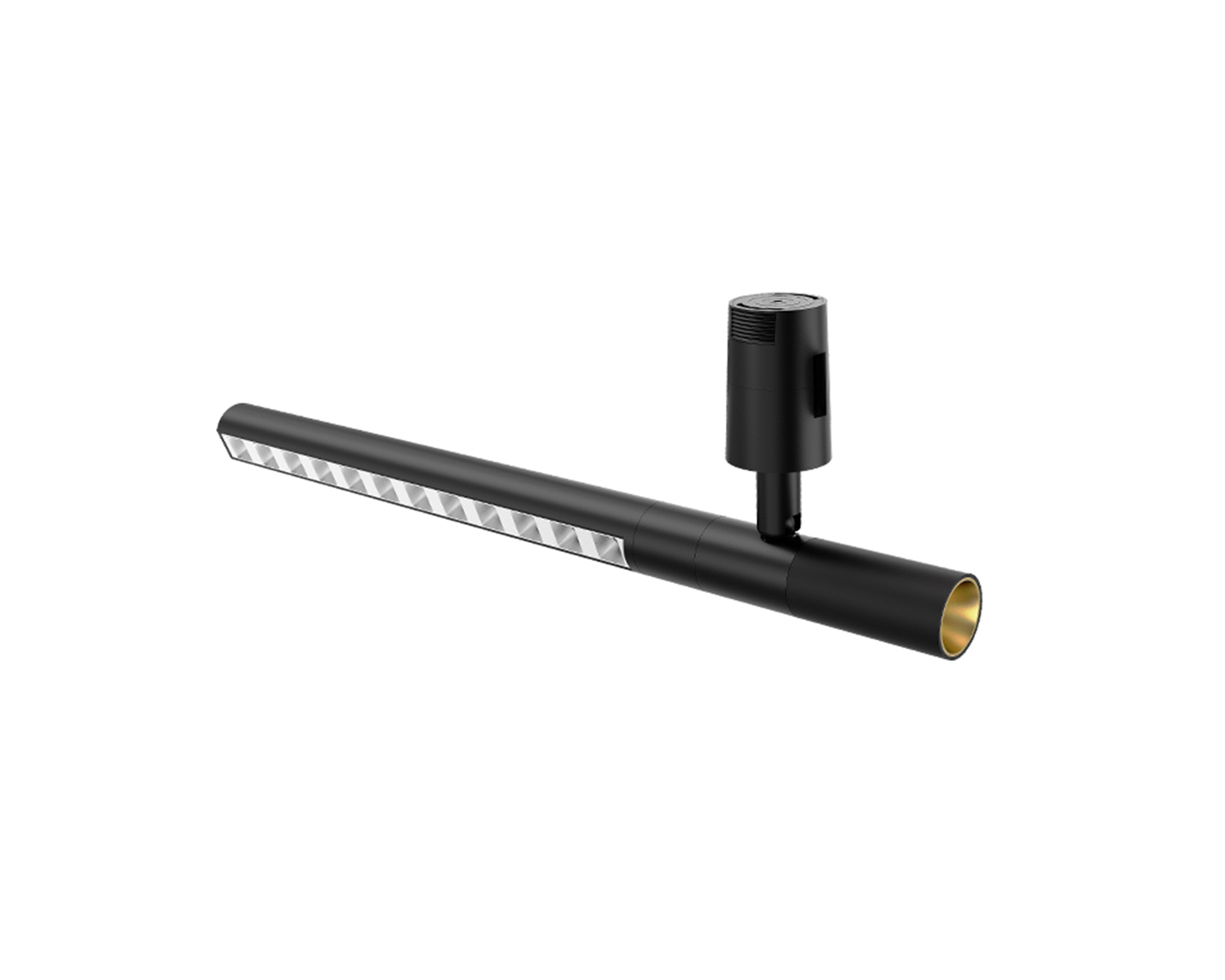
Larger heads and frequent re-merchandising. The wider slot and mains supply suit display walls and long runs.
Bring to the enquiry: Display layout, how often it changes, control needs.
Re-hangs mean heads move constantly. Larger fixtures carry further, and the track stays the same between shows.
Bring to the enquiry: Hanging walls, ceiling height, any low-voltage requirement.
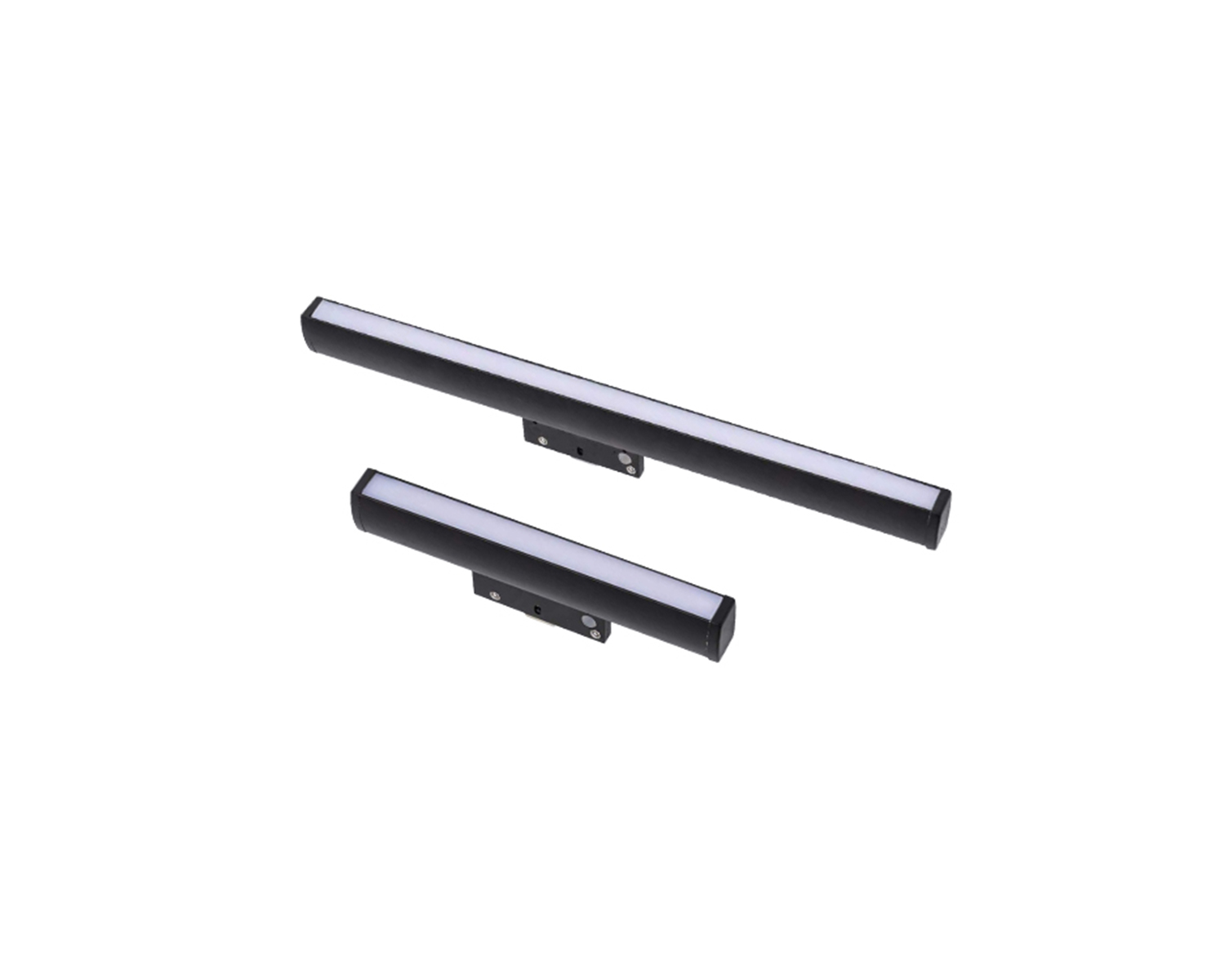
Linear heads for work areas, spots for meeting rooms and reception, on one track family.
Bring to the enquiry: Ceiling grid or plaster, desk layout, smart scenes or not.
Distributors, fit-out contractors and project buyers use the same two questions as a homeowner: which voltage, which slot. The difference is volume and branding, which the OEM / ODM page covers.
Mixed-use spaces are common. A shop with a flat upstairs might use M35 below and M25 above. The selector works per room, so run it twice.
Next step
A plan or a phone photo of the ceiling, the rough run lengths and the voltage you prefer are enough to start. We reply with a suggested series, the profile and the fixture families that fit.